About
Go to the source. A source can be biased, contradictory, even a lie — it's still the
source, and the truth is in comparing them, not in one voice claiming authority.
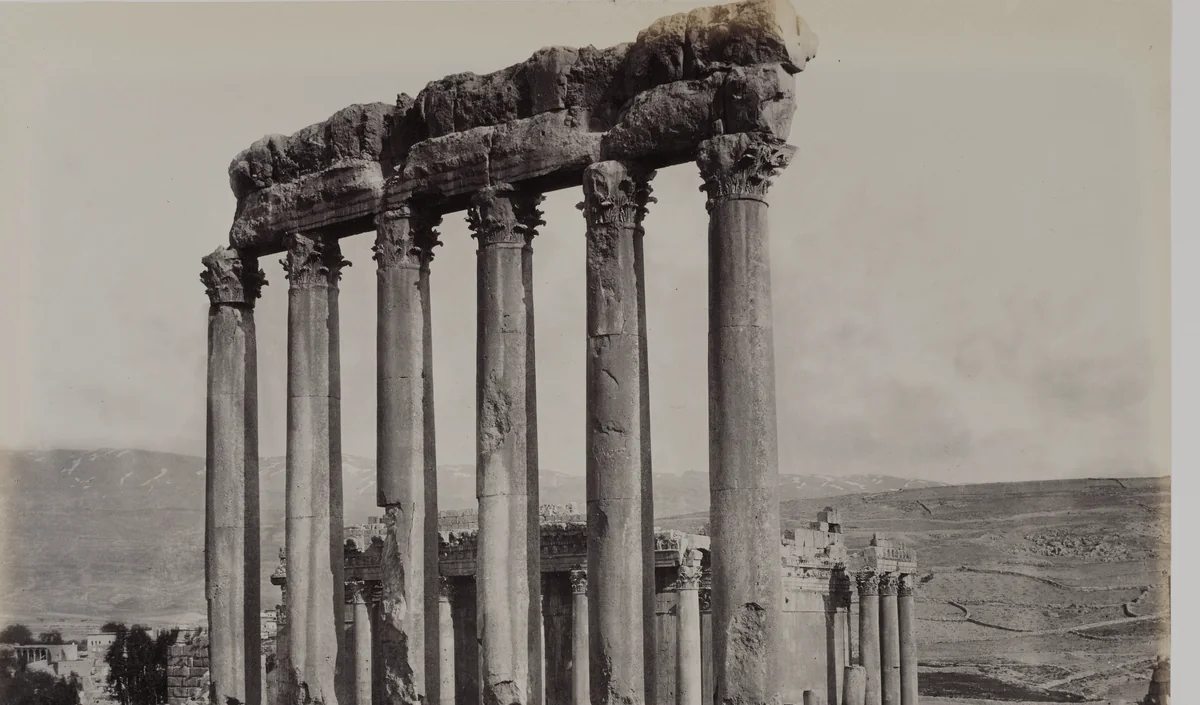
I run that rule in both directions. One way into the old world — how ancient cultures
measured, built and ran their cities. The other into what I build with AI: video surveillance,
hardware-level code, and Enki, a reader that turns raw documents into knowledge you can prove.
A house, a software platform, a city, a 5,000-year-old number base: one problem —
how the parts connect and what breaks when you change one. Sometimes the source is solid stone,
sometimes it's ones and zeros. But until you read it yourself, you don't truly understand anything.
The long version — nine chapters, three movements: how I think, the major work,
and what I believe.
Read the full bio →
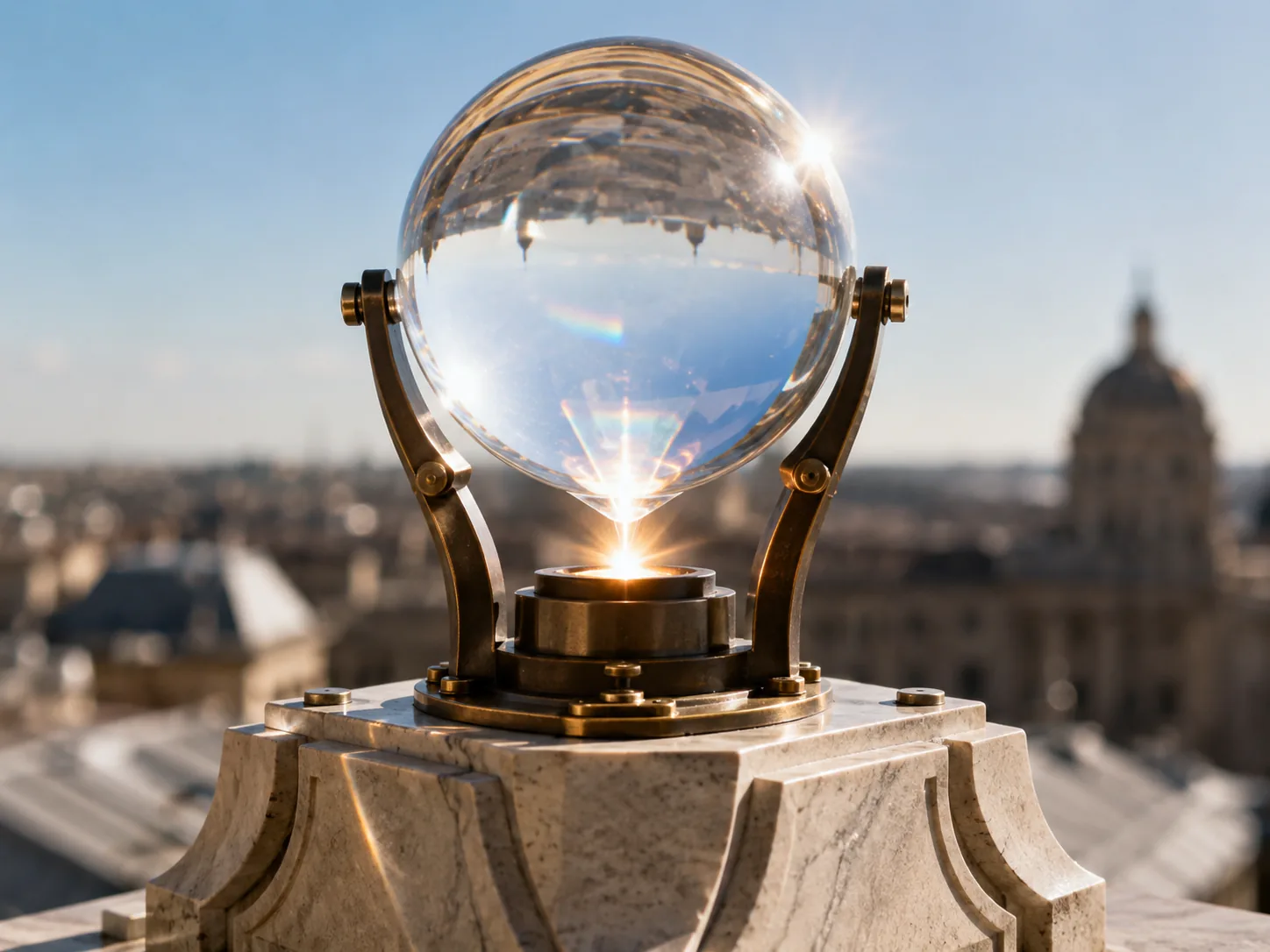
 The spheres are lenses — they power the building · concept render